Buying or selling a car through a private party in California is a great way to save money, but the handshake deal is rarely the final step. Unlike dealerships that handle the paperwork for you, private sales push the administrative burden entirely onto the buyer and seller. Navigating the DMV private party vehicle sale rules is critical, as the state enforces strict, time-sensitive deadlines for vehicle transfers.
Missing a deadline or incorrectly signing a form can trigger a cascade of stressful issues—ranging from expensive late penalties and smog check disputes to ongoing legal liability for the buyer’s parking tickets. Fortunately, these post-sale nightmares are preventable. This guide explores the most common issues that arise after a private vehicle sale and how to resolve them smoothly.
1. The Buyer Did Not Transfer the Title on Time
One of the most frequent post-sale headaches happens when a buyer takes the car home and simply procrastinates going to the DMV. Under California law, a buyer has exactly 10 days from the date of purchase to complete the vehicle title transfer.
When buyers delay this to avoid paying use tax and registration transfer fees, they trigger a chain reaction. Late fees accrue rapidly, and if the buyer is pulled over, driving a vehicle that isn’t legally registered in their name can lead to costly citations.
To prevent such issues, treat the title transfer like a same-week errand. Gather your signed title, bill of sale, and proof of insurance immediately.
2. The Seller Forgot to File a Notice of Transfer
Sellers often assume that once they sign the “pink slip” and hand over the keys, their liability ends. It doesn’t.
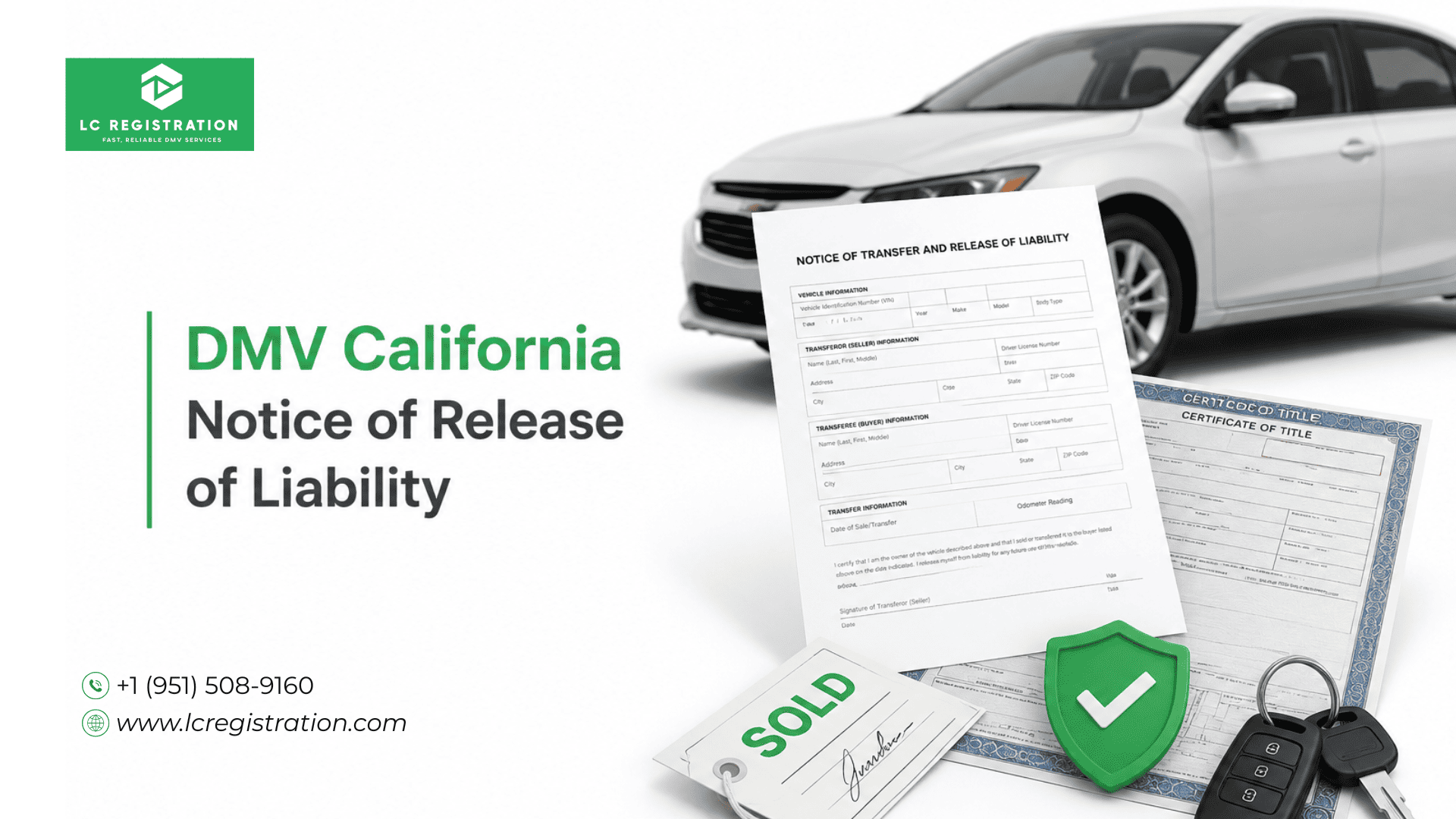
As a seller, you have exactly 5 calendar days to submit a Notice of Transfer and Release of Liability (REG 138) to the DMV. This form tells the state that you no longer own the vehicle. Until the DMV processes the REG 138, you remain the owner of record. If the new buyer runs a red light camera, evades bridge tolls, or gets into an accident, those notices are coming to your mailbox.
The Fix: File the Release of Liability online the same day you sell the car, and always keep a screenshot or printed confirmation for your records.
3. Incorrect or Incomplete Title Information
The California Certificate of Title is a strict legal document. A transfer can be instantly rejected at the DMV counter due to small, easily avoidable errors.
The most common mistakes include:
- Missing Signatures: Failing to get the seller’s signature on Line 1, or missing a signature when multiple owners are listed with an “AND” between their names.
- Title Jumping: The person selling you the car isn’t the person listed on the title.
- The “Whiteout” Rule: Any scribbles, erasures, or correction fluid on a California title instantly voids it.
Therefore, never cross out a mistake on a title. If an error occurs, you will likely need to complete a Statement of Facts (REG 256) or apply for a duplicate title. Always review the paperwork together before money changes hands.
4. The Vehicle Still Has an Active Lien
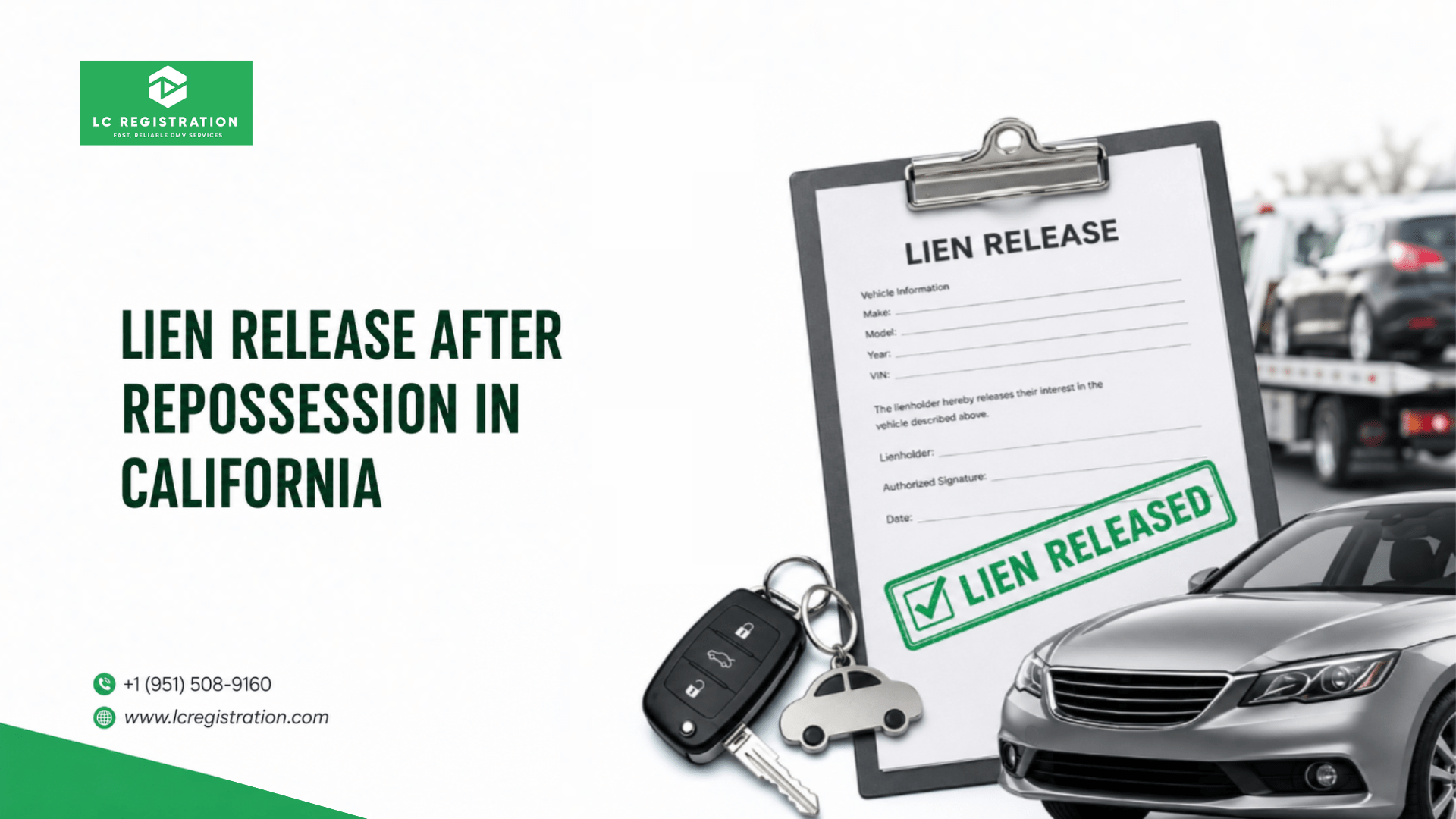
A private party deal gets highly complicated when a bank or finance company is still attached to the vehicle. If the seller still owes money, the lienholder controls the title. Even worse, sometimes a seller did pay off the loan, but never filed the paperwork to clear the bank’s name from the DMV system.
The DMV will not transfer ownership to a new buyer if a lienholder is still on the record.
Ask the seller to provide a notarized Lien Satisfied/Legal Owner/Title Holder Release (REG 166) form from the financial institution proving the debt is cleared. Never pay in full until you have this document in hand.
5. The Smog Check Trap
Smog is arguably the biggest source of “buyer’s remorse” in California private sales. In many handshake deals, the vehicle is sold “as-is,” and the buyer assumes they need to handle the smog check.
However, under California Vehicle Code Section 24007, it is legally the seller’s responsibility to provide a valid smog certificate (passed within the last 90 days) at the time of the sale. If the car fails smog after the purchase, the buyer is stuck. They cannot register the car, and they are left footing the bill for expensive emissions repairs.
Thus, buyers should demand a passing smog certificate before finalizing the purchase. Sellers should get the car smogged before listing it to avoid post-sale disputes.
6. Lost or Damaged Vehicle Titles
Sometimes the seller loses the title before the sale, or the buyer puts it in their pocket and accidentally runs it through the wash. Without a physical, legible pink slip, ownership cannot be seamlessly transferred.
In such a scenario, both parties will need to apply for a duplicate title by filing out an Application for Replacement or Transfer of Title (REG 227). This adds significant processing time and requires the seller to cooperate long after they have already been paid.
7. Inheriting Hidden DMV Fees
A buyer might think they negotiated a great deal, only to discover at the DMV counter that the vehicle’s registration is deeply expired. In California, unpaid DMV fees stay tied to the vehicle, not the previous driver. The new buyer is legally responsible for paying all back fees and penalties before the DMV will issue new tags.
Always run the license plate or VIN through the California DMV’s online fee calculator before buying a used car to check for hidden back fees.
8. The "As-Is" Reality: Mechanical Failures
A car can run perfectly during a test drive and break down three days later. When this happens, buyers often demand that the seller pay for repairs or take the car back.
It is vital to understand that private party vehicle sales in California default to strictly “as-is.” The California Lemon Law does not apply to private, individual-to-individual transactions. The DMV does not intervene in mechanical disputes; its only concern is paperwork and compliance.
To escape from such issues, buyers should always invest in a pre-purchase inspection from a trusted mechanic.
How LC Registration Services Can Help
Fixing a messy private vehicle transaction often means spending hours in line at the DMV, only to be turned away because you brought the wrong form. Whether you are a buyer dealing with a lost title and an active lien, or a seller trying to clear your name from a liability nightmare, you don’t have to navigate it alone.
As an authorized California DMV partner, LC Registration Services helps buyers and sellers bypass the DMV lines entirely. We review your documents for common errors, provide a seamless online title transfer in California, file Release of Liability forms, and handle complex paperwork like the REG 227 and REG 166 so you get it right the first time.
Don’t let a paperwork mistake stall your deal or put you at legal risk. Let our experts resolve your registration issues instantly. Start your title transfer online today!
Frequently Asked Questions
Who pays for the smog check in a private vehicle sale in California?
Under California law, the seller is legally required to provide a valid smog certificate (passed within the last 90 days) at the time of sale. Buyers cannot register the vehicle without it.
What happens if the buyer doesn't transfer the title in California?
If the buyer delays the transfer beyond 10 days, they face accruing late DMV penalties. Meanwhile, the seller remains legally liable for parking tickets and tolls unless they file a Notice of Transfer.
Can I cross out a mistake on a California vehicle title?
No. Any scribbles, erasures, or correction fluid will instantly void a California Certificate of Title. You must submit a Statement of Facts (REG 256) or request a duplicate title to fix errors.
Are private party car sales "as-is" in California?
Yes, private party vehicle sales in California are strictly “as-is”. The state’s Lemon Law does not apply to individual sellers. Buyers should always get a pre-purchase mechanical inspection before handing over cash.
How do I clear an active lien on a privately sold car?
The buyer cannot transfer ownership until the seller provides a notarized Lien Satisfied/Legal Owner/Title Holder Release (REG 166) from the financial institution proving the previous auto loan is fully paid off.