Buying or selling a vehicle in California involves more than exchanging keys and signing a bill of sale. The ownership record must be updated correctly, any outstanding lien must be addressed, and the required documents must reach the California Department of Motor Vehicles (DMV).
Electronic title records are changing how some parts of this process are handled. However, understanding the difference between an electronic lien record and a completed vehicle ownership transfer is important. California’s Electronic Lien and Title (ELT) Program allows participating lienholders to maintain title records electronically, but it does not mean every vehicle transfer can be completed online without paperwork.
For vehicle owners, buyers, sellers, and businesses, knowing how the system works can help prevent unnecessary delays.
What Is California's Electronic Lien and Title Program?
California’s Electronic Lien and Title Program is designed to manage title records electronically for participating lienholders, such as financial institutions that hold a legal interest in a vehicle.
Under the program, the DMV maintains an electronic ownership record in place of a paper title held by the participating lienholder. The registered owner still receives a paper registration card.
This is particularly relevant when a vehicle has been financed. While the loan remains outstanding, the lender may be listed as the legal owner. When the loan is paid off, the lienholder submits the appropriate electronic release information so the title record can be updated.
The key point is that electronic processing changes how certain records are managed. It does not remove the need to meet California’s title-transfer requirements.
How Electronic Titles Affect Vehicle Ownership Transfers
The impact depends on the transaction.
When you pay off a vehicle loan
Once the loan is satisfied, the lienholder must release its interest. Depending on the transaction and record status, the DMV may issue a paper title to the registered owner. The DMV’s vehicle-industry manual states that the average time to receive a paper title from an electronic transaction is eight days, although pending transactions and other record issues can delay processing.
If your title has not arrived, check with your lender to confirm that the lien release was submitted. You can then contact the DMV or seek assistance with the relevant documentation if the record still needs attention.
When you sell a financed vehicle
Selling a vehicle with an outstanding loan requires careful coordination between the seller, buyer, lender, and DMV. The lender’s interest must be addressed, and the ownership record must be updated according to the transaction requirements.
Before completing the sale, confirm how the outstanding loan will be paid, how the lien will be released, and which documents will be required. A buyer should not assume that an electronic record automatically means the title is ready for transfer.
When you buy a vehicle from a private seller
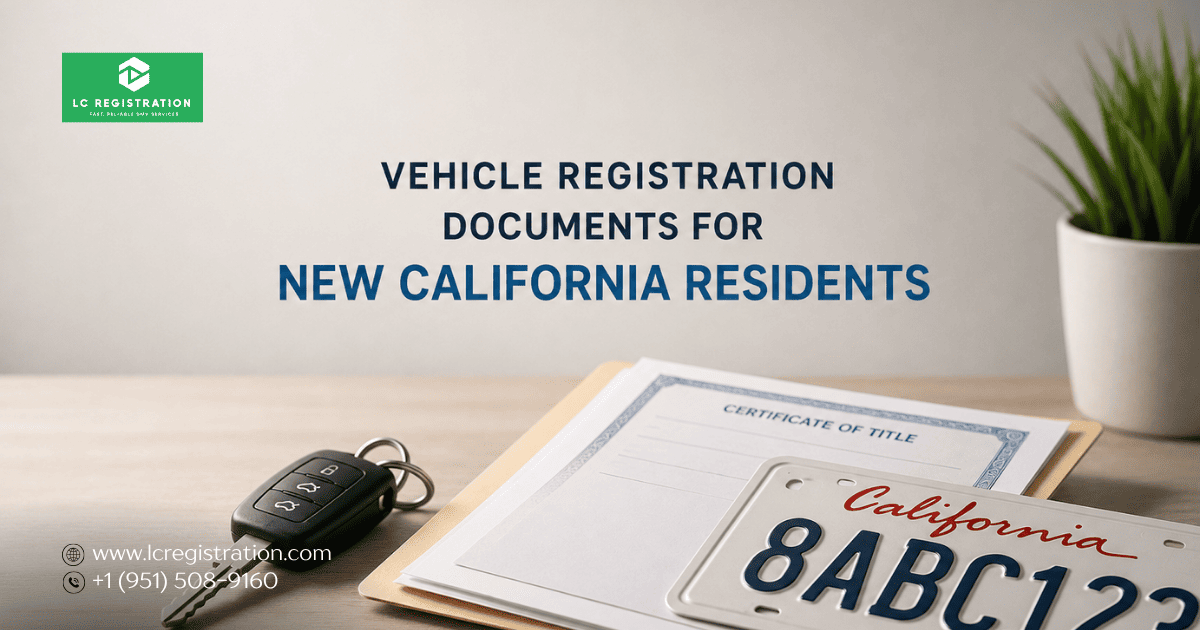
A standard California title transfer generally requires the appropriate title documentation, signatures, and fees. If the title is missing, the DMV may require an Application for Replacement or Transfer of Title (REG 227). Additional forms or evidence may be needed depending on the circumstances.
For a complete overview of the process, see our guide to California title transfer services.
Electronic Title vs. Paper Title: What Is the Difference?
Electronic and paper titles serve different administrative purposes, but both relate to the vehicle’s official ownership record.
Feature | Fake / Scam Site | Official / Licensed Partner |
Domain Ending | .com, .net, .org | .gov or verified DMV partner site |
Payment Methods Accepted | Zelle, Venmo, Wire, Crypto | Credit / Debit / ACH |
Processing Transparency | Hidden “service fees” added at checkout | Clear, itemized state fees |
Unsolicited SMS Links | Frequently sends text links | Never demands SMS payments |
The DMV determines how a specific transaction is processed. An electronic lien record should not be confused with an online service that automatically completes every ownership transfer.
What Documents Do You Need for a California Title Transfer?
The required documents depend on how you acquired the vehicle and whether a lien, missing title, or other complication exists.
For many standard transfers, you may need:
- The California Certificate of Title, when available.
- Required buyer, seller, and lienholder signatures.
- Payment of applicable title-transfer fees and use tax.
- A lien release or supporting documentation when applicable.
- Additional forms, such as REG 227 or a Statement of Facts, depending on the circumstances.
California generally requires a change in ownership or lienholder to be reported to the DMV within 10 days. Sellers must also submit a Notice of Transfer and Release of Liability within five days. Check the official California DMV title transfer guidance for your specific transaction.
Common Electronic Title and Transfer Problems
Even when records are handled electronically, a transaction can still encounter delays.
The lien release has not been processed. Contact the lender to confirm that the release was submitted and ask whether any additional action is needed.
The paper title has not arrived. Check the transaction status and confirm that the DMV has the correct mailing address.
The title contains incorrect information. Ownership names, lienholder details, or other discrepancies may require correction before the transfer can proceed.
The title is missing. Review the DMV’s replacement-title procedure and determine whether REG 227 or other documentation is appropriate.
If a transaction involves an estate, an out-of-state title, a commercial vehicle, or an unresolved lien, the paperwork may be more involved than a standard private-party transfer.
How LC Registration Can Help With California Title Transfers
At LC Registration, we understand that title and registration paperwork can become confusing when a lien has not been released, a document is missing, or a transaction does not follow the standard process.
Our California title transfer service can help eligible customers navigate applicable documentation and transaction requirements. If you need a replacement title, review our duplicate title service as well.
The right next step depends on your vehicle’s record and the reason the transfer is delayed. We recommend identifying the issue first so you can prepare the appropriate paperwork and avoid unnecessary back-and-forth.
Frequently Asked Questions
Is an electronic car title the same as a paper title in California?
An electronic title record serves as the official record for applicable ELT transactions. A paper title may still be issued depending on the transaction and the DMV’s processing requirements.
Can I transfer a car title in California without a paper title?
Possibly, depending on the circumstances. If the title is missing, the DMV may require a replacement-title application and supporting documentation. Check the requirements for your particular transaction.
What happens to an electronic title when a car loan is paid off?
The participating lienholder submits the release information electronically. The DMV can then process the record and issue a paper title when applicable. Processing time varies with the transaction and any outstanding record issues.
Does electronic titling mean every California title transfer can be completed online?
No. Electronic lien records are not the same as a universal online title-transfer service. The required documents and submission method depend on the transaction.
Where can I get help with a complicated title transfer?
Start with the California DMV’s title-transfer guidance. If you need assistance navigating eligible title and registration paperwork, you can also contact LC Registration.
Need help with a California vehicle title transfer? Visit LC Registration to learn more about our services and find the right next step for your paperwork.