In the process of purchasing or selling an automobile, changing the title is a crucial step. Although it may seem difficult at first, the process is actually rather simple if you prepare properly and follow the directions. Selecting an online title transfer California option might expedite the process and save you time if you are eligible. Our staff outlines the definition of auto title transfers, how to do it in California, and how to handle typical issues that may arise in this blog.
When Do You Need to Transfer a Title?
You’ll need to transfer the car title in several situations. The most common reason is when you buy or sell a vehicle, whether it’s through a private transaction or a dealership. Title transfers are also required when:
- Giving a family, friend or relative a vehicle
- Inheriting a vehicle from someone who has passed away
- Adding or removing names from a title
- Paying off an auto loan
- Donating an automobile for charity
What Is the Process for a Car Title Transfer in California?
A vehicle title transfer can be completed in three ways:
1. In-Person Transfers
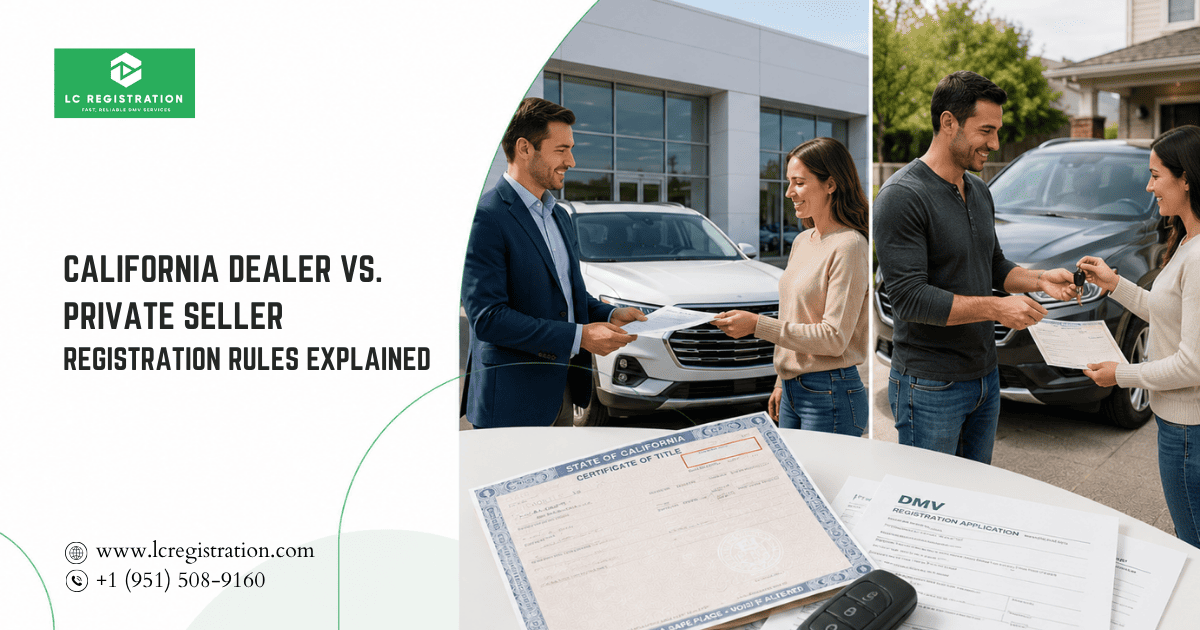
When purchasing from a private seller, they must first fill out a Notice of Transfer and Release of Liability (NRL) form and sign the title to release ownership. After that, you will take the NRL form, this signed title, and any supporting documentation to a DMV office. In Online Transfers, You’ll need:
- The license plate number
- The last five digits of the VIN
- The vehicle’s registration ZIP code
- An email address
To finish the procedure without going to an office, simply follow the online instructions step-by-step. Verify all of the signatures and input the odometer reading carefully. Delays can result from even minor errors.
2. Special Title Transfer Situations
Some circumstances have special regulations or call for extra steps:
- Transferring a car: A California title, an automobile valued at less than $166,250, and at least 40 days following the owner’s passing are prerequisites for a non-probate transfer. Only certain individuals, such as trustees, guardians, or beneficiaries, are able to finalize the transfer.
- Family transfers: There may be times when transfers between close relatives qualify for tax benefits, lower costs, and less complicated documentation.
- Vehicles that are out of state: Generally, moving an automobile into California requires additional documentation and a VIN check.
- Nonstandard vehicles: The overall procedure is the same, even if motorbikes, RVs, and trailers may require separate paperwork.
Since regulations sometimes vary, it’s best to confirm details with the DMV before starting.
3. After Submitting Your Transfer
After you submit the required paperwork and pay the required fees, the DMV modifies its records to reflect the change of ownership. Within 60 days, you should receive a temporary registration card and the new physical title.
While waiting, be sure to:
- Update your vehicle registration
- Notify your insurance company
- Keep copies of all documents submitted
If you don’t receive the new title within two months, contact the DMV for assistance.
Common Title Transfer Issues and How to Fix Them?
Despite your best efforts, you may still run across problems. Here are some examples of these and their fixes:
1. Title loss or damage: Fill out the REG 227 form, provide a legitimate ID, and pay the replacement charge (about $23) to get a replacement.
2. Title errors: Title errors should be corrected by obtaining supporting documentation (such as CARFAX reports) and consulting the DMV.
3. Unpaid loan balance: Before transferring the title, work with your lender to finish the lien release.
4. Missing documentation: Find out what substitutes could be approved by getting in touch with the DMV as soon as possible.
Most delays may be avoided by double-checking forms and documents before submitting them.
Conclusion:
In conclusion, it does not have to be complicated to transfer a car title in California online . With the valid documentation like, a valid smog certificate (if applicable), and careful attention to details including odometer readings and signatures, you may swiftly finish the procedure on the department of motor vehicle website. Whether you’re buying, selling, gifting, or inheriting a car, altering the title guarantees that your ownership records are correct and lawful. If you are eligible, using the California title transfer online service with LC Registration can save you time and travel to the DMV office. Just remember to preserve copies of all filed paperwork, renew your insurance, and contact the DMV if you haven’t received your new title within 60 days.
By preparing ahead and avoiding common mistakes, you can make the online title transfer California process simple, efficient, and hassle-free.
FAQs
In California, is it possible to transfer an automobile title online?
Indeed. Using your license plate number, the last five digits of your VIN, your registration ZIP code, and an email account, you may accomplish a lot of transactions on the Department of Motor Vehicles’ (DMV) official website.
What is the price of an online title transfer for a car in California?
In addition to the $15 basic charge, there may be further expenses like use tax (which starts at 7.25%), smog check fees ($30–$70), or late fines if you miss the 10-day deadline.
How long does it take to transfer a California title online?
The DMV immediately changes its records after submission. Your real car title should come in the mail within 60 days. In the meanwhile, a temporary registration card will be sent to you.
Do you need a smog check for a California title transfer online?
Most vehicles require a smog inspection during ownership transfer. However, exemptions exist for electric cars, vehicles under 8 years old, gas cars built before 1975, and certain diesel or natural gas vehicles.
What happens if I transfer my title online and make a mistake?
Inaccurate odometer readings or missing signatures are two examples of mistakes that might delay your application. You may need to resubmit the amended paperwork or seek direct help from the DMV.