Selling a car, moving out of state, or dealing with a totaled vehicle already feels like enough paperwork to handle. The last thing most people think about is what happens to their license plates afterward. Unfortunately, missing this step can lead to surprise fines, DMV notices, or legal headaches tied to a vehicle you no longer own. California’s rules, forms, and deadlines can feel confusing if you have never dealt with them before. This guide explains how to cancel license plates the right way, so you can stay compliant and avoid costly mistakes.
Step-by-Step Guide to Cancel License Plates in California
Documents Required for License Plate Cancellation
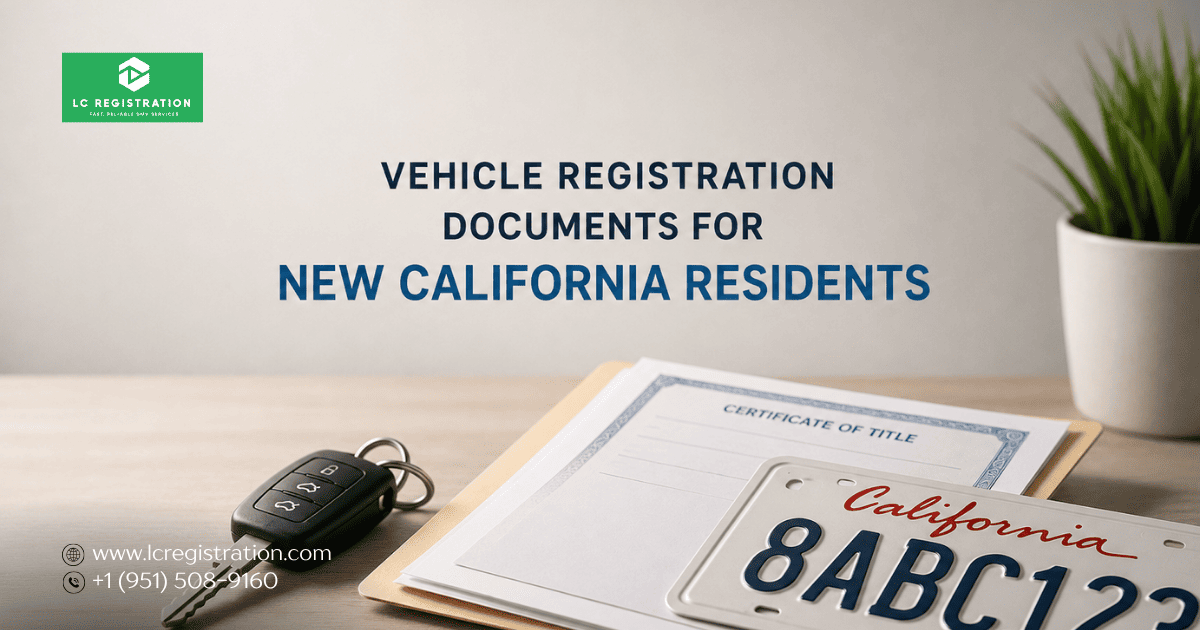
When canceling license plates in California, having the right documents ready helps ensure a smooth and fast process. While the exact requirements depend on your situation (sale, gift, scrapping, or out-of-state move), the following are commonly needed:
Required Documents:
- Vehicle Title showing ownership or transfer details (signed by seller and buyer, if applicable)
- Vehicle Registration Card
- Valid Personal Identification (e.g., California driver’s license or state ID)
- Notice of Transfer and Release of Liability (NRL) – REG 138
- Statement of Facts (REG 256) — only if special circumstances apply (e.g., gifting, lost title)
Important Sale/Transfer Information (to complete NRL and related forms):
- New owner’s full name and complete address
- Vehicle license plate number
- Last 5 digits of the Vehicle Identification Number (VIN)
- Odometer reading at the time of sale or transfer
- Date of sale or transfer
- Selling price (enter “0” if the vehicle was gifted)
- Your name and address as the seller
Step 1: Return Your License Plates (In Person or by Mail)
In certain situations, the California DMV requires you to return your license plates. These situations may include:
- The vehicle has been scrapped or dismantled
- The vehicle is declared a total loss
- The vehicle is permanently moved out of California
You can return the plates using one of the following methods:
- Visit a local California DMV office in person. You can also take services from a DMV partner for a hassle-free process
- Mail the license plates to the appropriate DMV address
Step 2: Complete the Notice of Transfer and Release of Liability (NRL)
The Notice of Transfer and Release of Liability (NRL) is a legal form you must submit to the California DMV to notify them that you no longer own the vehicle and will not be responsible for it. This form protects you from future liability for parking violations, traffic tickets, tolls, or legal issues that occur after the date you sold, transferred, or otherwise disposed of the vehicle.
You are required by California law to submit an NRL within 5 calendar days of selling, gifting, or transferring a vehicle or vessel to another person or entity.
Submit an NRL in these situations:
- You sold the vehicle to a private buyer or a dealership
- You gifted the vehicle to someone else
- You transferred the vehicle without selling (e.g., to a family member)
- The vehicle was scrapped, dismantled, or declared a total loss
- You permanently moved the vehicle out of California and are no longer using it there
Filing the NRL does not complete the ownership transfer, it just tells the DMV that you’re no longer responsible. The buyer must still submit the title transfer to fully update the vehicle record.
If the vehicle is part of a business fleet, remember to update your fleet registration records after the ownership transfer. Our Permanent Fleet Registration service helps eligible businesses manage vehicle additions, removals, and ongoing DMV registration more efficiently.
Step 3: Submit the NRL to the California DMV
Once completed, the NRL form can be submitted to the DMV using one of the following options:
- Online through the California DMV website
- In person at a DMV office
- By mail
Online submission is usually the fastest method and provides immediate confirmation.
Step 4: Keep DMV Confirmation for Your Records
After submitting the NRL, make sure to keep:
- The confirmation number
- A copy or screenshot of the submission receipt
These records are important in case of future disputes or verification needs.
If you’re removing a vehicle from a commercial fleet, it’s also important to update your fleet registration records. Our Permanent Fleet Registration service helps eligible businesses manage vehicle additions, removals, and ongoing registration updates more efficiently.
Fees and Refunds
Filing the Notice of Transfer and Release of Liability (REG 138) in California is free. You can submit this form at no cost, either online through the California DMV website or by mailing the completed paper form to the DMV.
However, while the NRL itself does not require any payment, other fees related to the vehicle transfer process may still apply, and these are typically the responsibility of the buyer, not the seller:
- Title Transfer Fee: Usually around $15, paid by the buyer when transferring ownership.
- Sales Tax: Generally around 7.25% of the vehicle’s sale price, collected at the time of registration.
- Registration Fees: Vary based on vehicle type, weight, and county of residence; these are paid by the new owner.
Refunds for Unused Registration
You may be eligible for a refund if:
- You paid registration fees in advance
- The vehicle is no longer in use due to sale, total loss, or permanent removal from California
Refund eligibility depends on your specific situation and DMV approval. Refunds are not automatic and may require submitting a request.
Common Mistakes to Avoid When Canceling License Plates
Avoiding common mistakes can help prevent fines, delays, or future liability.
Not Submitting the NRL
Failing to submit the Notice of Transfer and Release of Liability can result in:
- Continued responsibility for the vehicle
- Parking tickets or violations linked to your name
Forgetting to Remove or Return Plates
In cases where plate return is required, keeping the plates can cause:
- Registration issues
- Problems with DMV records
Late Submission
Submitting forms late may lead to:
- Penalties or fines
- Delays in updating DMV records
Conclusion
Canceling license plates in California is an important step in protecting yourself from future tickets, penalties, and legal liability. Whether your vehicle was sold, gifted, junked, or moved out of state, following the correct DMV procedures and submitting the NRL on time ensures your records are properly updated. Understanding the required documents, deadlines, and submission options can make the process much less stressful.
If you prefer guidance or want to avoid paperwork confusion, LC Registration offers professional assistance with the license plate cancellation process. Our California DMV registration service experts help ensure everything is completed accurately and on time, giving you a simple, hassle-free way to stay compliant.
FAQs About Canceling License Plates in California
1. Do I need to cancel license plates when I sell my car in California?
Yes. When you sell your vehicle, you must submit a Notice of Transfer and Release of Liability to the California DMV. This step officially informs the DMV that you are no longer responsible for the vehicle and helps protect you from future tickets or penalties.
2. Can I cancel license plates online in California?
Yes. In most cases, you can complete the license plate cancellation process online by submitting the Notice of Transfer and Release of Liability through the California DMV website. Online submission is the fastest option and provides instant confirmation.
3. What happens if I do not cancel my license plates?
If you do not cancel license plates or submit the required DMV forms, you may remain legally responsible for the vehicle. This can result in parking tickets, toll violations, or other penalties being issued in your name.
4. Can I get a refund for unused registration after canceling plates?
You may be eligible for a refund if you paid registration fees in advance and the vehicle is no longer in use. Refund approval depends on your specific situation and requires DMV review.