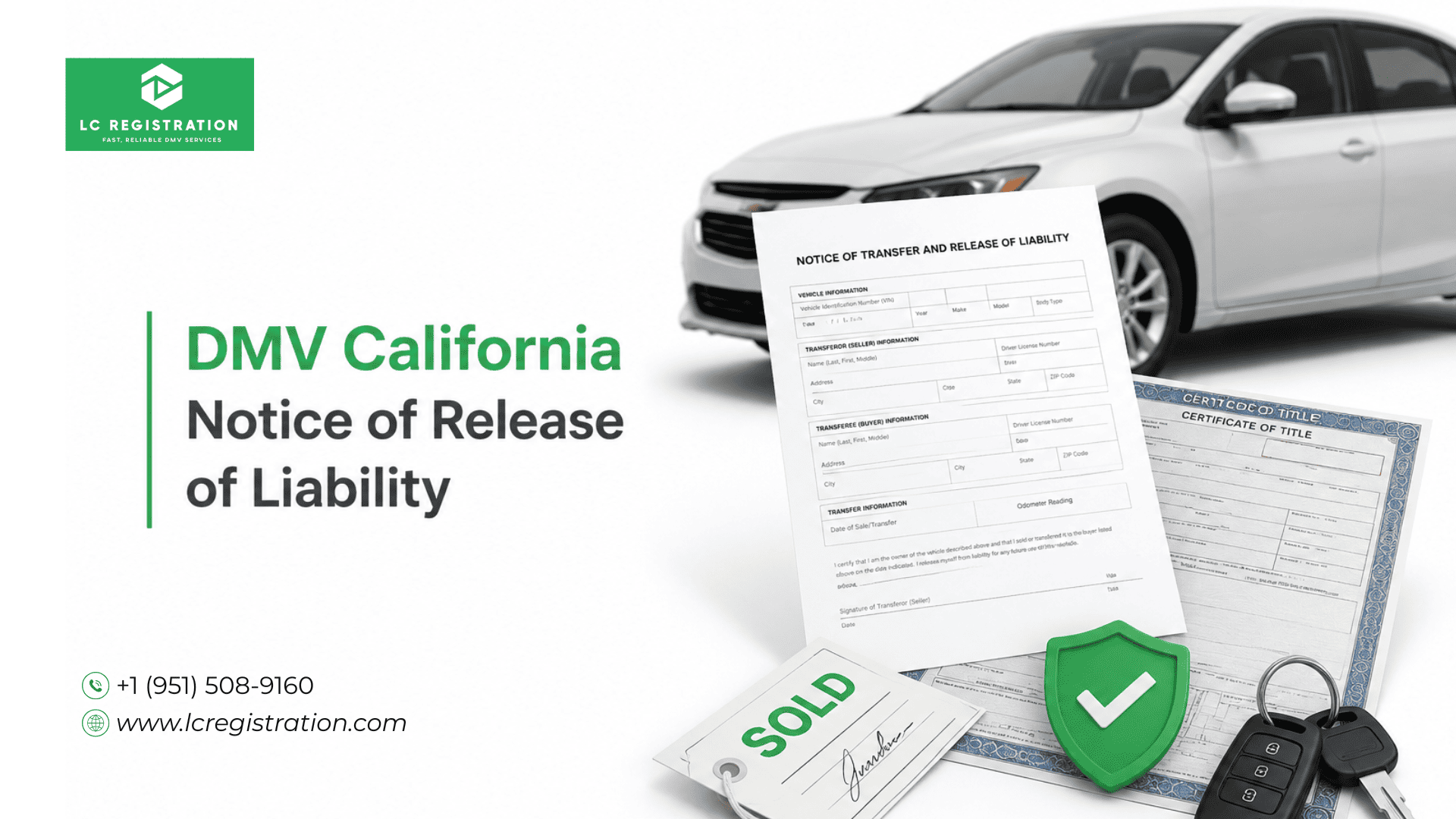
You just sold your car. The deal is done, the cash is in your hand, and you’re already thinking about your next vehicle. But before you close that chapter completely, did you file your DMV California Notice of Release of Liability?
Most California sellers skip this step without a second thought. After all, the car is gone, the keys are handed over, and it feels like a done deal. But for the California DMV, the transaction isn’t truly complete until you file that one critical form. And the consequences of skipping it can range from frustrating to downright costly. Here’s everything you need to know.
What Is the DMV California Notice of Release of Liability?
The Notice of Release of Liability (NRL) is a form that officially notifies the California DMV that you have sold or transferred your vehicle and are no longer responsible for it. In plain terms, it’s your way of telling the state, “This car is no longer mine don’t come after me for anything that happens with it.”
A few key facts every seller should know:
- Who files it: The seller — not the buyer. This is your responsibility alone.
- When to file: California law requires the NRL to be submitted within 5 days of the sale or transfer.
- How to file: It can be completed quickly and at no cost through the California DMV’s official website. However, always save or print your confirmation receipt; it’s crucial if a dispute arises later.
- What it does NOT do: Filing an NRL does not transfer the vehicle’s title. While the buyer is responsible for completing the online title transfer in California to finalize ownership, the NRL is the specific step that protects you, the seller.
This distinction matters. Even if the buyer says they’ll “take care of the paperwork,” the NRL is entirely on you as the seller.
What Happens If You Don't File the DMV California Notice of Release of Liability?
This is where things get serious. Skipping the NRL doesn’t just create a minor administrative headache; it can expose you to real legal and financial consequences. Here’s what you’re risking:
You Stay Legally Tied to the Vehicle
Until your NRL is on file, the California DMV still considers you the registered owner of that vehicle. A signed title and completed financial transaction do not sever this connection.
Traffic Tickets and Toll Violations Land in Your Name
If the new owner runs a red light, racks up parking fines, or drives through FasTrak toll lanes without a pass, those violation notices will be sent to the last registered owner of record — you. Disputing them after the fact is a long, tedious process that requires proof of sale and communication with multiple agencies. It’s a problem that’s entirely avoidable with a 5-minute online filing.
You Could Be Held Liable in an Accident
This is the most serious risk. Under California Vehicle Code Section 5602, sellers are protected from liability if the NRL is properly filed. Without it, if the new owner causes an accident, you could be named in a personal injury or property damage lawsuit as the vehicle’s owner of record.
Your Insurance Could Be Affected
Filing the NRL is your “green light” to safely cancel your insurance policy. If you cancel your insurance before the DMV knows you’ve sold the car, you could face penalties for uninsured ownership. Furthermore, any claims made against the vehicle while it is still in your name can complicate your claims history and hike your future premiums.
DMV Fees and Penalties Can Follow You
If the new owner neglects to pay registration fees or lets the registration lapse, those unpaid fees can remain associated with your name in DMV records. This can create complications if you’re registering a new vehicle or dealing with any future DMV transactions.
How Long Do You Have to File, and What If You Missed the Deadline?
California sellers have 5 days from the date of sale to file the NRL. If you’ve missed that window, don’t wait any longer — the DMV accepts late submissions, and filing late is always better than not filing at all. It won’t undo any violations that occurred during the gap, but it does protect you from further liability and creates an official record.
If you’ve already received notices or violations in the meantime, you’ll need to dispute those separately with supporting documents your proof of sale and the filed NRL.
How Long Do You Have to File, and What If You Missed the Deadline?
At LC Registration, we help both sellers and buyers navigate every step of the vehicle transaction process — from filing the Notice of Release of Liability to managing title transfers, registration renewals, duplicate titles, and more. Our licensed and bonded team has extensive experience handling California DMV paperwork correctly and on time, so you don’t have to worry about missing anything.
Whether you just sold a vehicle, realized you missed the NRL deadline, or need guidance on what comes next, we’re here to help.
Call us at (951) 508-9160 or Email: dmv@lcregistration.com to get started.
FAQs Related to Notice of Release Liability
Q1. What is the Notice of Release of Liability in California?
It’s a form sellers submit to the California DMV to officially confirm they are no longer responsible for a vehicle after selling or transferring it. It’s free, takes minutes to file online, and protects you from any liability tied to the vehicle after the sale.
Q2. How long do I have to file the NRL after selling my car?
California requires sellers to file within 5 days of the sale. However, if you’ve missed that window, you can still file late, and you should, as it limits your exposure going forward.
Q3. What happens if the new owner gets into an accident before I file the NRL?
Since DMV records still show you as the registered owner, you could potentially be named in a lawsuit or insurance claim. Filing the NRL on time is the key step that gives you legal protection in these situations.
Q4. Does filing the NRL transfer the vehicle title to the new owner?
No. The NRL and title transfer are two separate processes. The NRL is the seller’s responsibility and only releases you from liability. The title transfer is the buyer’s responsibility and officially changes ownership in DMV records.
Q5. Can I file the Notice of Release of Liability if I sold my car a long time ago?
Yes. The DMV accepts late filings regardless of how much time has passed. It won’t undo past violations, but it does protect you from any future liability and establishes an official record of the sale.