Losing a loved one is incredibly difficult, and the last thing you want to worry about right now is DMV paperwork. However, if there is a vehicle left behind, transferring the title is a necessary step you will eventually need to take.
The good news is that California has a specific process for this, and you often don’t need to go to probate court. This guide explains exactly how to handle the transfer simply and correctly. Whether you do it yourself or let an expert title transfer service team help, this guide will make this one task a little easier for you.
Step 1: Identify How the Vehicle Was Owned
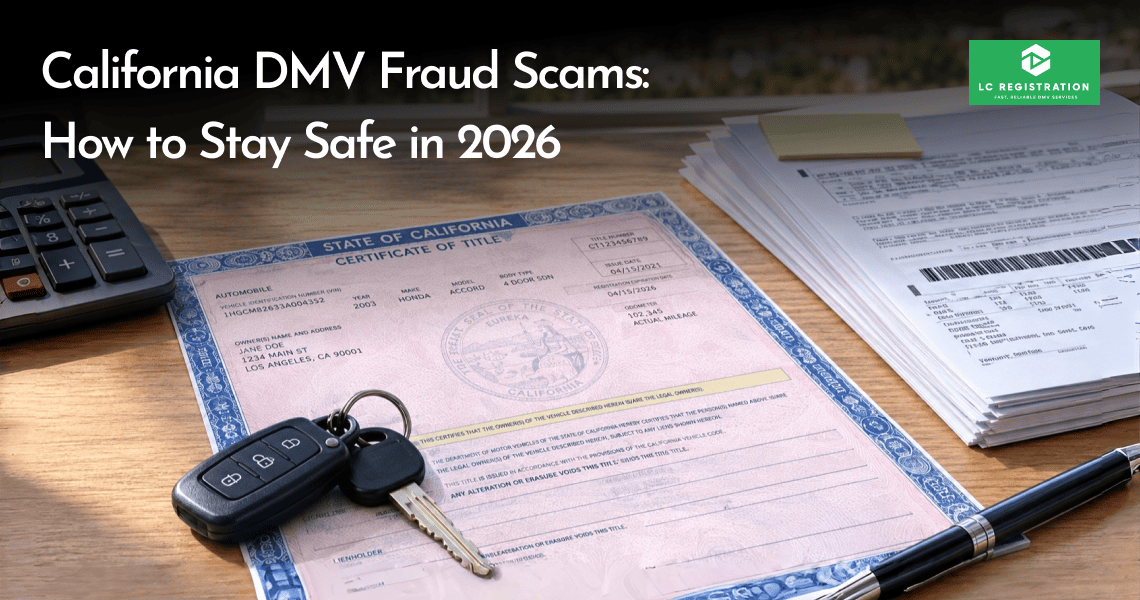
Before you do anything else, go look for the California Certificate of Title (the “pink slip”).
Grab it and look at the names listed at the top. This little detail changes everything:
- Does it say “OR” between names? (e.g., John Doe OR Jane Doe)
Great news. If you are the surviving owner, the car is already yours. You just need to bring the title and the death certificate to us or the DMV to update the record.
- Does it list only the deceased person?
This is the most common situation. It means the car is now part of their “estate.” You will likely use the “Transfer Without Probate” method.
- Can’t find the title?
Don’t panic. It happens more often than you think. You’ll just need to fill out a REG 227 form (Application for Replacement or Transfer of Title) instead.
Step 2: Figure Out Which Path is Right for You
Most families in California don’t need to involve a court at all. But which route you take depends on the situation your loved one left behind.
The Easy Route: No Court, No Probate
This is the path most families end up taking, and honestly, it’s much simpler than it sounds.
You can go this route if all of the following are true:
It’s been at least 40 days since your loved one passed. (The state requires this waiting period — you can’t skip it, but you can use this time to get your paperwork ready.)
The estate isn’t too large. If the total value of everything they owned in California is under roughly $184,500 (this number gets updated periodically, so always double-check the current REG 5 form for the latest figure), you’re in the clear.
The car has a California title. If the vehicle was registered in another state, the process is a bit different.
No one has opened a court case over the estate.
If all four boxes are checked, you’re good to go. You’ll use the REG 5 Form— Affidavit for Transfer Without Probate. This is a written promise to the DMV that you are the rightful person to receive the vehicle.
When the Court is Involved – Transfer with Probate
Sometimes the estate is large, complicated, or there’s a family disagreement about who gets what. In those cases, a court steps in and appoints someone — called an executor or administrator — to handle everything.
If that’s your situation, that person is the one who signs the title on behalf of your loved one. They’ll attach official court documents called Letters Testamentary or Letters of Administration to prove to the DMV that they have the legal authority to do so.
Step 3: Gather Your Documents (Checklist)
Getting organized is half the battle. To avoid multiple trips or rejections, gather these documents before you try to process the transfer:
- The Title (signed by you as the heir).
- Certified Death Certificate (The original one with the seal, not a photocopy).
- REG 5 Form (The affidavit we just talked about).
- A Smog Check? Maybe. If you are a parent, child, grandparent, grandchild, or spouse of the deceased, you are usually exempt from a smog check. If you’re a sibling, cousin, or friend, you’ll probably need to get one done.
- License Plates: You only need them if you’re planning to surrender the plates; otherwise, keep them on the car.
Does the car have a loan?
If there is still a lienholder (lender) listed on the title, you will need a lien release letter or a notarized REG 166 (Lien Satisfied/Title Holder Release), even if the loan was paid off years ago.
Step 4: Submit Your Paperwork
Once you have your documents, you have a few options for processing the transfer.
Option 1: Visit the DMV
You can make an appointment at a local DMV field office. Be prepared for potential wait times. You will submit your title, death certificate, and forms to a clerk for processing.
Option 2: Mail It In
You can mail your documents to the DMV headquarters in Sacramento.
- Mailing Address: DMV, P.O. Box 942869, Sacramento, CA 94269.
- Note: Processing times via mail can take several weeks or longer.
Option 3: Use a DMV Business Partner (Fastest & Easiest)
This is where we can help relieve the burden. As an authorized DMV title transfer service in California, we are licensed to process vehicle transactions directly from our office.
Why families choose this option:
- No Appointments Needed: Walk in when you’re ready.
- Immediate Processing: We input the transfer into the DMV system instantly.
- Review for Errors: We check every line of your REG 5 and title to ensure it’s not rejected later—a common frustration when dealing with complex estate paperwork.
We Are Here to Help
Transferring a car title after losing someone you love is one of those tasks that feels bigger than it is, especially when you feel like you’re already at your emotional breaking point. The good news is that with the right papers and expert guidance, most families make it through this sooner than they think.
If you want to avoid the DMV lines and have someone check your work, LC Registration can assist you. Our title transfer service team does these transfers daily – fast, accurate, and no stress for you!
FAQs
Do I have to transfer the title into my name before I sell the car?
Not necessarily. If you’re going to sell the car right away, you usually don’t have to register it in your name first. As the rightful owner, you can typically use the REG 5 form to the DMV to “release interest” in the vehicle and sign the title directly to the buyer. If this sounds tricky, bring the buyer and let us take care of the “double transfer” paperwork in one trip.
What happens if the car has unpaid registration or parking tickets?
Unfortunately, DMV fees and parking tickets are attached to the car, not the driver. What this means is this: if the registration is out of date or there are tickets still owing, those debts have to be cleared before the title can be transferred to you (or anyone else).
Can I drive the car before the title is transferred?
Yes, you generally can, provided the registration tags are current and the vehicle is fully insured. Be sure to contact the insurance company immediately to confirm coverage. For peace of mind, we recommend keeping a copy of the death certificate and the signed title in the glove box until your new registration arrives.
What if there are multiple heirs?
If a parent leaves a car to three children, all three will need to sign off on the transfer. In most cases, families agree to put the car in one person’s name to make insurance and registration easier.
Do I have to pay use tax?
Vehicles acquired by inheritance are not subject to the use tax. But you still have to pay $15 for the transfer and any registration renewal fees if the tags have expired.